
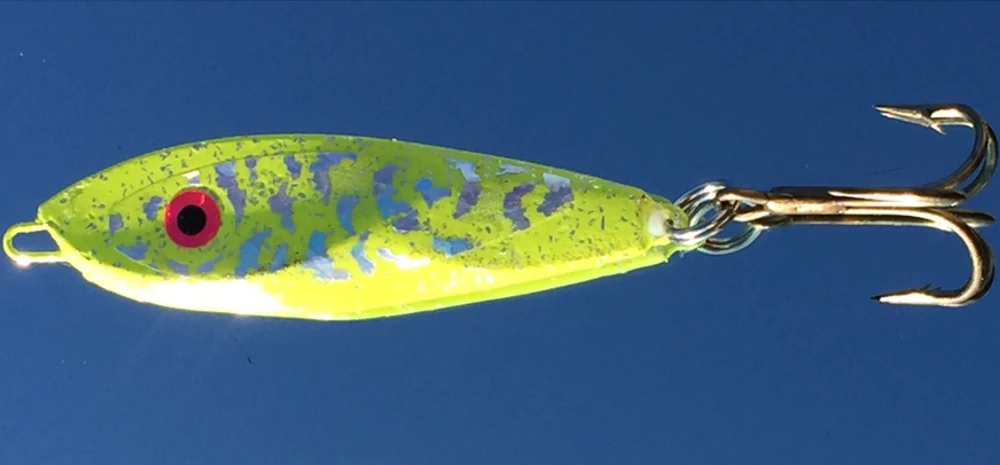
Freshwater Striper Lures and Fishing Tips
Finding the best freshwater striper lures for your next trip starts with matching the baitfish, depth, and feeding activity. From topwater strikes to slab spoons worked over deep structure, learn which lures to reach for and how to fish them.
Explore practical tips for catching striped bass, hybrid stripers, and white bass on Lake Texoma and Lake Tawakoni. Looking for a guided trip? Our fishing-guide directories can help you plan a day on either lake.
Built on Mike “Moe” Oser’s fishing and lure-making experience, moestackleshop.com shares the knowledge that outlasted the tackle business. Lure sales ended in 2016, but the fishing continues.

Freshwater Striper Lures
From topwater plugs to slab spoons worked over deep structure, find practical advice on lures for stripers, hybrids, and white bass. Learn how lure size, weight, and retrieve help you match the baitfish and reach feeding fish.

Match the Hatch
Match your lure to the baitfish stripers are eating. Threadfin shad, gizzard shad, and other forage have different profiles, so pay attention to what’s in the water. Watch for baitfish at the surface and look for shad dropped by landed fish. Use those clues to select a lure that resembles their next meal.

Fish the Right Depth
A good lure won’t help much if it’s above or below the feeding zone. Work topwater plugs when stripers feed on the surface, count swimbaits down to suspended fish, and use slab spoons to reach fish over deep structure. Follow the bait and fish on your electronics rather than automatically fishing the bottom.

Lure Retrieve Speed
Summer generally calls for faster retrieves, while winter calls for slower presentations. Active stripers may chase a quickly retrieved swimbait or aggressively worked spoon. In cold water, slow down and give fish more time to respond. Let the bite guide your speed—summer fish can still want a slow presentation.
Lure Color
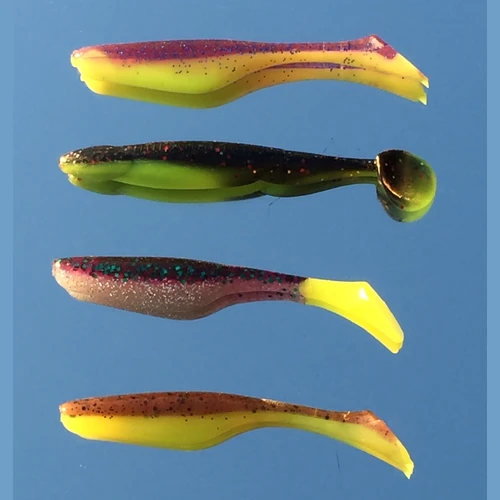
Sunlight, water clarity, and depth affect how a lure looks underwater. Natural shad colors and silver flash are useful starting points in clear water, while brighter colors can help in stained water. For deep Stripers with little available light, try glow-in-the-dark finishes. Charge the glow before dropping and compare it with your other colors.
Lure Size
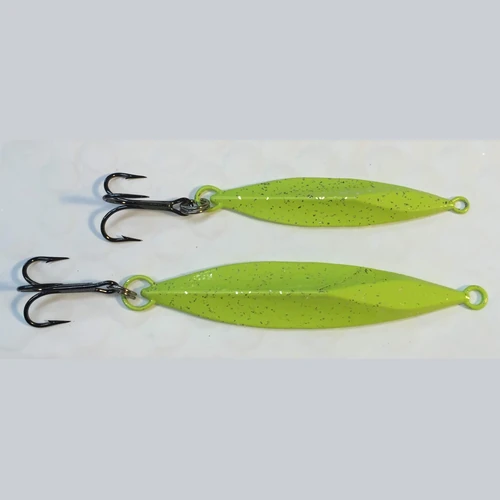
If stripers are eating 3-inch threadfin shad, start with a similar-sized lure instead of a 9-inch flutter spoon. The reverse applies when they’re chasing large baitfish—a tiny presentation may get overlooked. Match the size of the forage first, then experiment if the fish won’t commit.
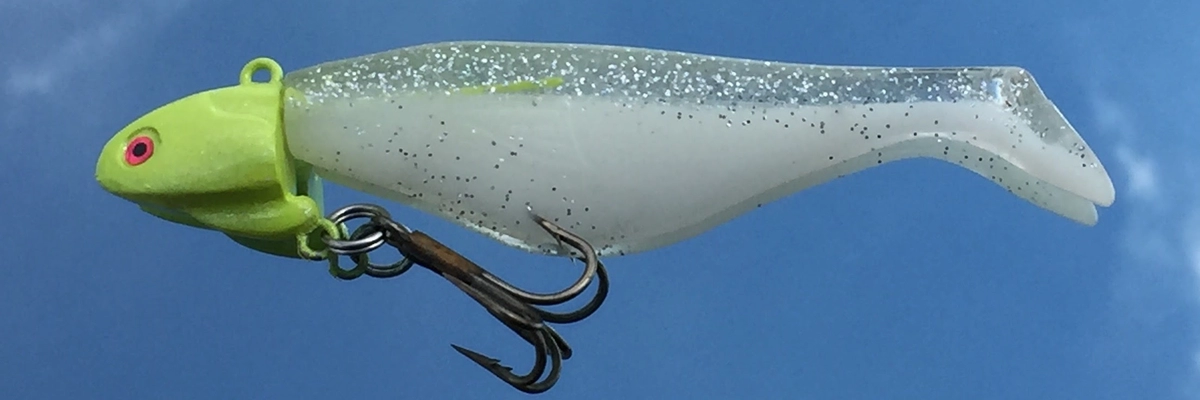
Find Striper—and Find Striped Bass That Are Feeding
You can have all the right freshwater striper lures, but success starts with finding fish. Better yet, find stripers that are actively feeding. A tackle box full of proven lures won’t help much when you’re fishing empty water.
Follow the shad, watch for diving birds and surface activity, and use your electronics to locate baitfish and stripers. Finding fish is the first step. Getting them to bite means figuring out their depth, feeding activity, and the presentation they’ll respond to.
Local Fishing Guides Stay on the Fish
Guides spend much of their week on the water, tracking shad movements and following changes in water temperature, weather, and feeding patterns. They test lure sizes, colors, and retrieves to get their clients dialed in.
Quality fish-finding electronics help them search efficiently, but knowing how to read the screen—and when to leave unproductive water—comes from experience. Guides also keep backup locations in mind when yesterday’s bite disappears.
Whether you’re learning a lake or making the most of a limited fishing window, a trip with an experienced Lake Texoma or Lake Tawakoni fishing guide can help you understand where stripers feed and how to catch them.
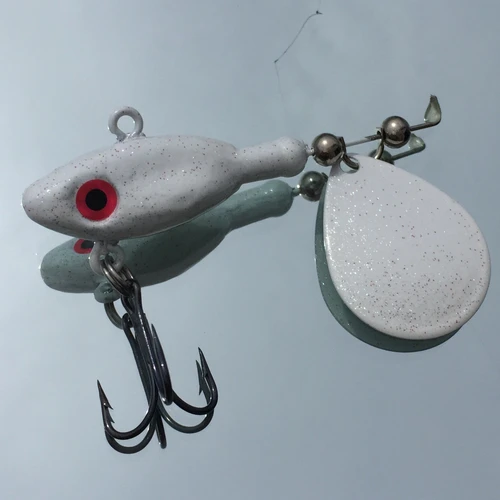
Lake Texoma Fishing Guides
Spend less time searching and more time working lures around feeding stripers. An experienced Lake Texoma guide can help you follow shad, locate schools, and adjust your presentation as the bite changes. Want to cast topwater plugs, work swimbaits, or jig spoons over deep structure? Discuss your preference before booking. Explore our Lake Texoma fishing guides to find a guide for your next trip.
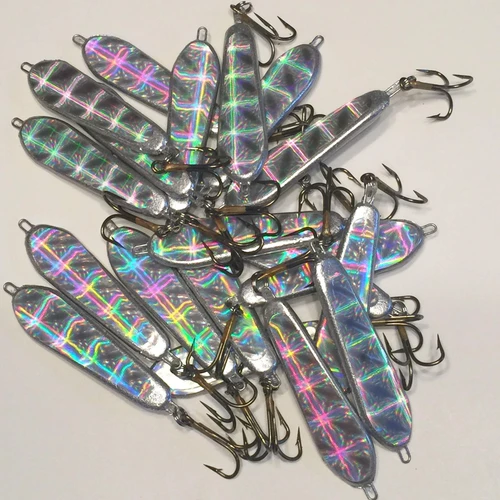
Lake Tawakoni Fishing Guides
Learn how to target hybrid stripers, striped bass, and white bass with a guide who knows Lake Tawakoni. A guided trip can help you connect baitfish movements with productive points, humps, and creek channels—and learn when to change lure size, depth, or retrieve. If artificial lures are your priority, ask about that when planning your trip. Visit our Lake Tawakoni fishing guides page to explore your options.

What freshwater striper lures should a beginner carry?
Start with paddle tail swimbaits and jig heads, slab spoons, and a topwater plug. These cover surface feeding, suspended fish, and deeper schools. Carry a few sizes and weights so you can match the shad and reach the feeding zone.
When should you use a slab spoon instead of a flutter spoon?
Use a slab spoon when you need a compact lure that gets down quickly and stays close to fish beneath the boat. A flutter spoon offers a wider profile and a slower, sweeping fall. Choose between them based on baitfish size, fish activity, depth, and how much wind or current you’re dealing with.
Will the same lures catch striped bass, hybrid stripers, and white bass?
Yes. All three feed on shad and will take swimbaits, spoons, bucktail jigs, and topwater plugs. Adjust lure size to the forage they’re chasing. Smaller presentations can be especially useful when white bass or larger fish are feeding on small threadfin shad.
Can you catch freshwater stripers on artificial lures year-round?
Yes, but your presentation needs to change with the conditions. Faster retrieves can trigger actively feeding fish in warm water. Cold water often calls for slower presentations, including lightly worked jigs or soft plastics held nearly still. Locate the baitfish, watch the fish’s response, and adjust your depth and speed.
Can you book a fishing guide who specializes in artificial lures?
Yes, but discuss your preference before booking. Some guides specialize in artificial lures, while others primarily fish live bait or use both. Tell the guide whether you want to cast topwater plugs, fish swimbaits, jig spoons, or learn a particular technique.
What should you ask a fishing guide before booking?
Ask which species you’ll target, whether the trip uses artificial lures or live bait, and what equipment is provided. Confirm the trip length, total price, meeting location, fishing license requirements, and cancellation policy. Share your group’s experience level and any techniques you want to learn.