Guest post from Lake Texoma Striper Guide Steve Buckley
By Steve Buckley
Quick Answer
Deadstick fishing for striper on Lake Texoma means presenting a soft-plastic fluke or jerk shad on a jighead with very little added rod movement. Around 60°F surface temperature is a useful cue to start looking for this cooling-water pattern. A straight-rigged plastic, controlled boat drift and close attention to a light tap or unexpected weight are central to the presentation.
Key Takeaways
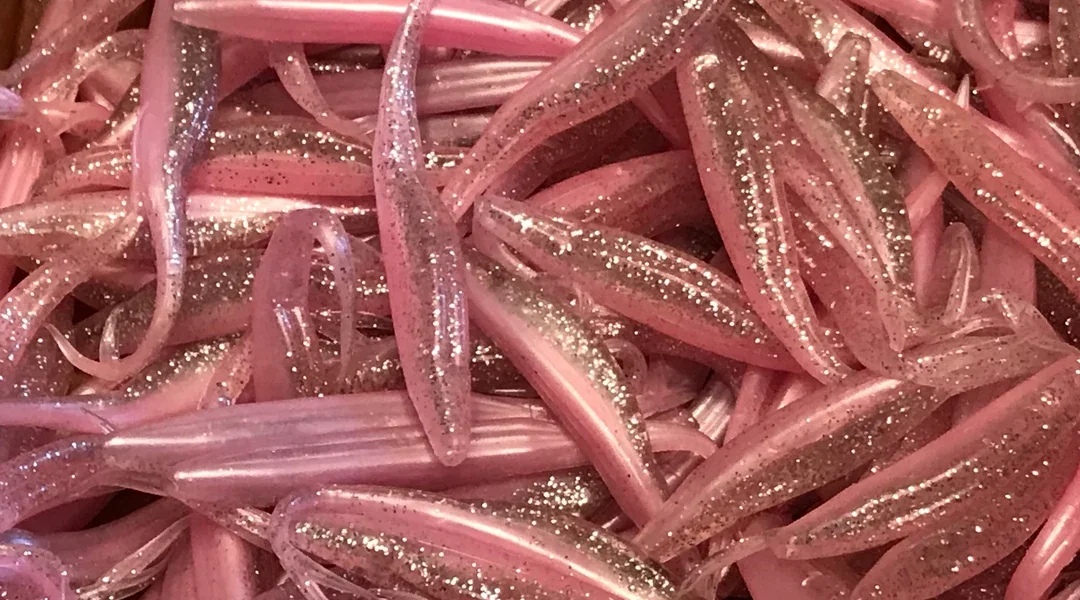
- Carry 3- to 5-inch flukes or jerk shads, with pearl, pink, glow white and banana among your starting colors.
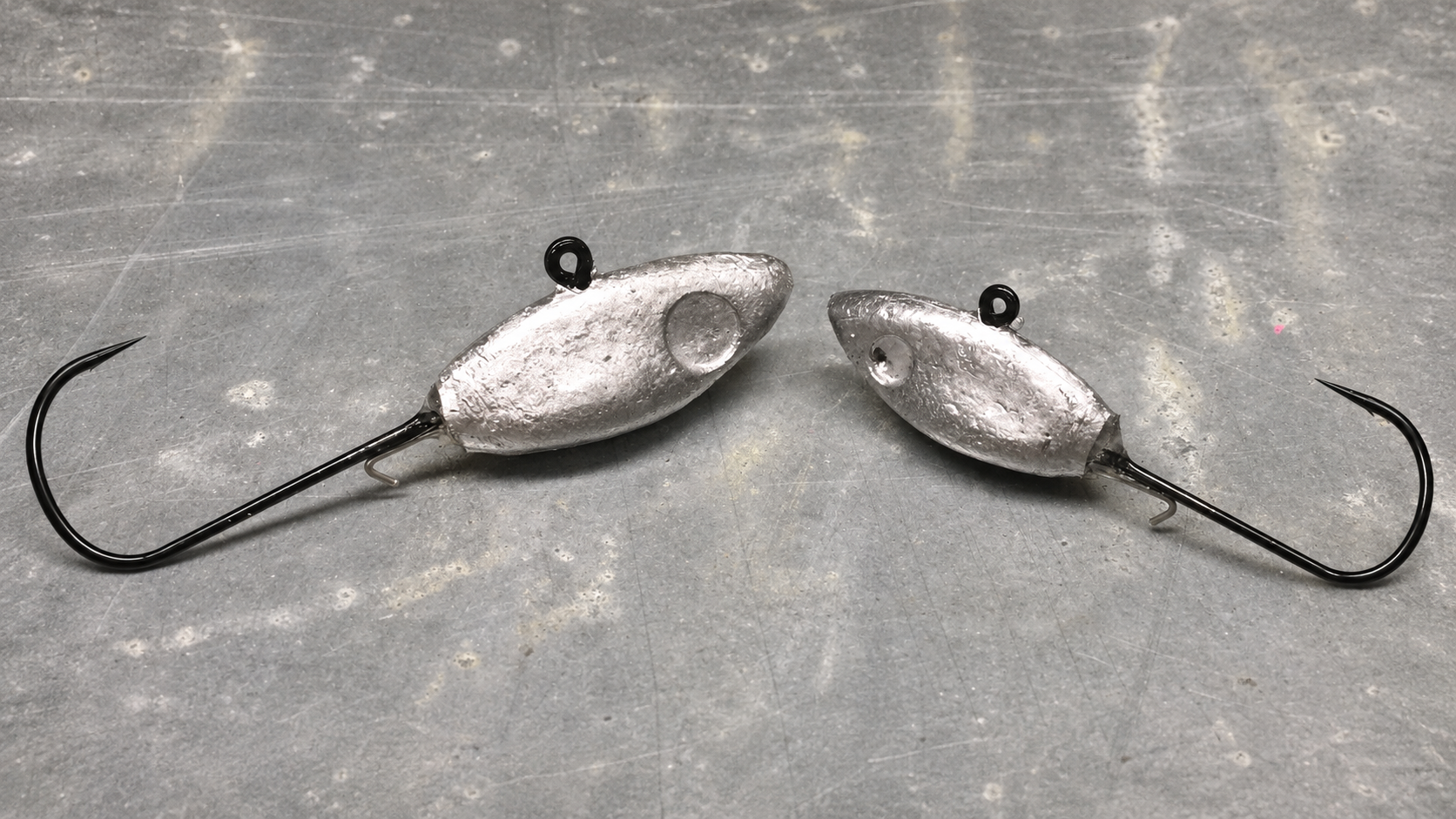
- Choose a jighead with a sharp hook, a suitable line-tie angle and a keeper that holds the plastic securely.
- Control the boat before changing lures. Excessive drift can pull the presentation away from the fish.
- A bite may feel like a quick tap or simply more weight on the line.
- Use temperature as a seasonal cue, then let fish location and response determine how you fish.
When Does Deadstick Season Start on Lake Texoma?
Around 60°F surface temperature is the starting cue for this approach as Lake Texoma cools. It is a reason to have the deadstick tackle ready, rather than a guarantee that every school will respond.
Surface temperature tells only part of the story. Where the baitfish are holding, where stripers appear on your electronics and how those fish react to the lure still matter. Do not keep fishing an empty area simply because the temperature looks right.
Deadsticking gives anglers a quieter presentation when a more active retrieve is not drawing bites. If fish are chasing moving lures, keep that option available rather than forcing a slower technique.
For a broader look at seasonal fishing, read Steve’s guide to the best time to catch striped bass on Lake Texoma.
Choosing Flukes and Jerk Shads
Start with soft-plastic flukes or jerk shads in the 3- to 5-inch range. These slender baitfish profiles give you several sizes to try without turning the tackle box into a collection of nearly identical choices.
Pearl, pink, glow white and banana are useful colors to carry. Treat them as options, not a ranking. Light, water clarity, baitfish size and the fish’s response can change which combination is worth keeping in the water.
Before changing colors, check the rigging. Thread the plastic straight onto the hook, with the body centered and the hook point clear. A bent or bunched-up bait makes it harder to judge the presentation fairly.
Inspect the plastic after a missed bite or landed fish. If it has slipped down the hook, torn around the head or twisted sideways, straighten or replace it before dropping again.
Why Jighead Design Matters
The jighead is more than the weight that takes the lure down. Its hook, line tie and bait keeper all deserve attention.
- Hook sharpness: Check the point regularly and replace a damaged or dull hook.
- Line-tie design: A 45-degree eye is a feature to consider when selecting a head for this presentation. Check how the complete head-and-plastic combination hangs from the line.
- Bait keeper: A secure keeper helps prevent the fluke from sliding down the hook and bunching up.
- Hook fit: Match the hook to the plastic so the point has clearance and the body remains straight.
Choose enough jighead weight to reach and maintain the intended fishing depth under the conditions. There is no single weight to prescribe without knowing the depth, line and boat drift.
For other presentations to keep available, see Moe’s freshwater striper fishing lure guide.
Present the Lure With Less Added Movement
Locate fish before lowering the rig. Use your electronics to establish their depth, then work the lure at or slightly above the level where they are holding. Suspended stripers do not require you to drop the bait to the bottom.
Once the lure reaches the intended depth, settle the rod and avoid repeatedly hopping it as you would a jigging spoon. Boat movement and water movement already affect the plastic.
“Deadstick” does not mean ignoring the rod. Stay in contact with the lure, watch the line and remain ready for a small change in pressure. Excessive slack makes those changes harder to recognize.
Keep checking depth and line angle during the drift. The same amount of line out does not guarantee the lure remains at the same depth as the boat moves.
Control Boat Drift With Drift Socks
Drift socks, also called wind socks, help slow a wind-driven boat and make the presentation easier to manage.
A drift around 1–2 mph is a working target for the approach described here, but it needs to be judged alongside lure depth and line angle. It is not a universal speed requirement. If the rig trails too far behind the boat or leaves the fish’s depth, slow down further, adjust the jighead weight or reposition.
Check boat speed on your GPS rather than estimating from the wind alone. Then watch what the rig is doing. The useful speed is the one that lets you maintain the presentation and recognize a bite.
If wind prevents reliable control, a different area or presentation may be more productive than continuing an unmanageable drift.
Use Scent as Part of the Setup
Lure scent is a priority in this deadstick approach. Apply a product intended for soft-plastic fishing lures and follow its directions for use and reapplication.
Keep its role in perspective: scent does not replace finding fish, rigging the plastic correctly or controlling depth. There is no promise that adding it will turn an unresponsive school into a feeding one.
Check the whole setup before deciding the answer is another color or more scent.
Recognizing a Light Deadstick Bite
Do not wait for every striper to deliver a hard strike. A deadstick bite can be a quick tap, a slight tightening of the line or simply added weight as the fish moves with the lure.
Hold the rod comfortably and pay attention to how the rig normally feels. When that feel changes, take up slack and bring the rod under load with a controlled hookset. A large swing through loose line can delay contact with the fish.
If you miss a bite, check the plastic before continuing. A bait pulled down around the hook bend needs attention even if the hook never connected.
Frequently Asked Questions
Does deadsticking mean the lure never moves?
No. The boat and water still move the rig. The goal is to limit added rod action and maintain a quiet, controlled presentation near the fish.
What size fluke should I carry?
Carry options from 3 to 5 inches. Start with a profile suited to the baitfish you are seeing, then adjust based on the stripers’ response.
Do I need a drift sock?
A drift sock helps when wind pushes the boat too quickly for good lure control. Whether you need one depends on the boat, wind and presentation. Check speed, line angle and fishing depth together.
What does a deadstick bite feel like?
It may feel like a small tap or unexpected weight rather than a hard pull. Watch for changes in line tension and stay ready to take up slack.
Is 60°F a strict temperature cutoff?
No. Around 60°F surface temperature is a seasonal starting cue for this approach. Fish location, baitfish and response determine whether it is the right presentation that day.
Book a Deadstick Trip With Steve Buckley
Want help learning the presentation on Lake Texoma? Contact Buckley Striper Guide Service to discuss a deadstick fishing trip with Steve Buckley from Pottsboro, Texas.
Call or text 972-345-8516 with your preferred dates and group size. Mention that you want to learn deadsticking so Steve can discuss the season, current conditions and suitable trip options.
About the guest author: Steve Buckley operates Buckley Striper Guide Service in Pottsboro, Texas, offering guided Lake Texoma striper trips with live bait and artificial lures. Learn more on Steve Buckley’s About page.