
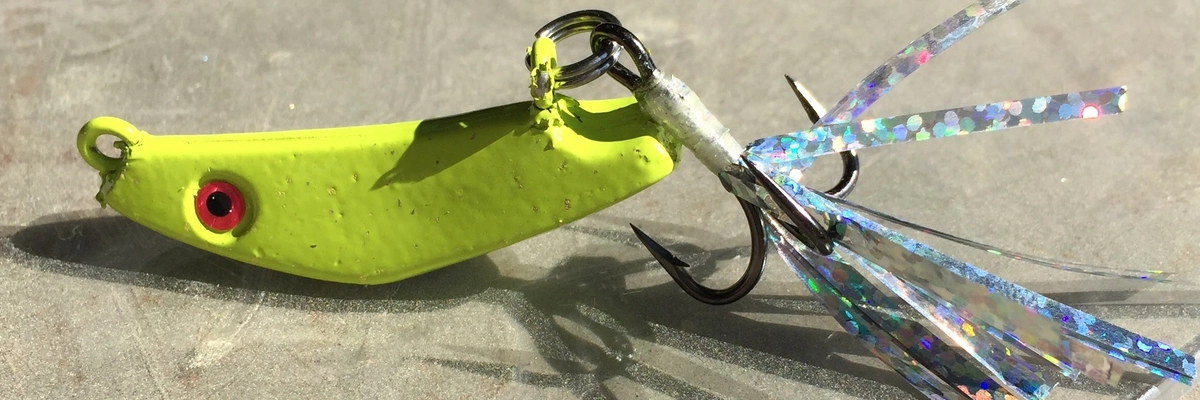
Freshwater Striper Fishing Lures
Good freshwater striper fishing lures earn their place by doing a job: matching the shad, reaching the fish, and staying in the feeding zone. A swimbait lets you cover a point. A slab spoon gets down to a school beneath the boat. A topwater plug draws a strike you can see. The trick is knowing when to put one down and pick up another.
This guide brings together the lure knowledge behind moestackleshop.com, with Lake Texoma as the main reference and applications for Lake Tawakoni, hybrid stripers, and white bass. Start with the baitfish and the fish’s position. Then choose the lure that lets you make the right presentation.
Which Freshwater Striper Fishing Lure Should You Use?
If you’re starting from scratch, carry paddle tail swimbaits, slab spoons, and topwater plugs. Add flutter spoons for a broader profile and a sweeping fall, bucktails for a different swimming action, and soft jerkbaits for subtle winter presentations. Tail spinners, crankbaits, and Alabama rigs give you additional ways to cover water or show fish something different.
Stripers Chasing Shad on the Surface
Start with a topwater plug. Cast beyond the feeding activity and retrieve across its edge. Match the plug’s size to the shad being chased.
Fish Spread Along a Point or Flat
Try a paddle tail swimbait. Count it down to the fish and use a steady retrieve through their depth. Adjust jig-head weight when wind or retrieve speed pulls the bait out of the feeding zone.
A School Directly Beneath the Boat
Drop a slab spoon to the school. Start with short lifts and controlled falls, then try reeling upward if fish follow. Suspended stripers don’t require your spoon to touch bottom.
Stripers Feeding on Larger Shad
Reach for a flutter spoon or larger swimbait. Match the baitfish’s profile and work the feeding depth. Give a flutter spoon room to fall naturally, watching the line for strikes.
Cold-Water Fish Refusing Moving Lures
Try deadsticking a soft jerkbait on a jig head. Hold it nearly still at or slightly above the fish. Keep the plastic straight and watch for subtle changes in line tension.
Scattered Fish Responding to Flash
Try a tail spinner or bladed umbrella rig. Count it down and retrieve through the baitfish zone. Maintain depth control instead of letting a faster retrieve pull the lure above the fish.
These are starting points. Change one thing at a time—depth, speed, size, or profile—so you can recognize what triggers the next bite.
Paddle Tail Swimbaits | Jig Heads
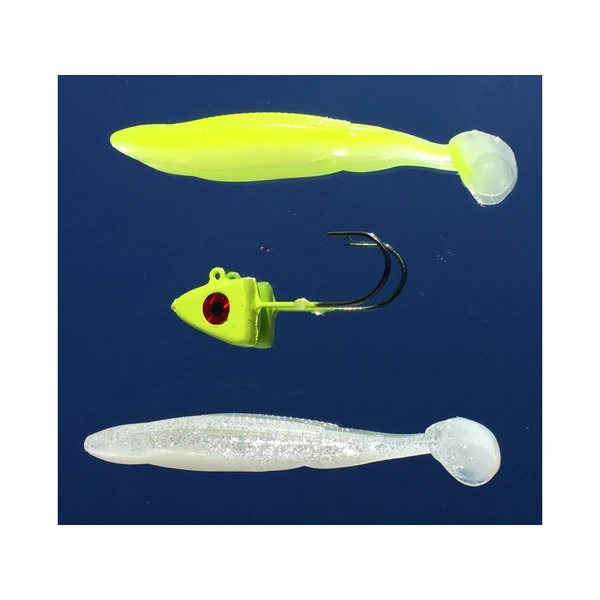
A paddle tail swimbait is one of the most useful tools in a freshwater striper box. You can fish it just under the surface, count it down to suspended fish, or swim it along a channel edge. It also gives you a simple way to test whether fish want a steady meal or something they have to chase.
Match the Body Before Adding Weight
Carry roughly 3-, 4-, and 5-inch bodies as a starting selection, with a larger option when the forage calls for it. A deep-bodied Sassy Shad-style bait presents a different silhouette from a slender minnow. If stripers are feeding on small threadfin shad, match both length and thickness. A short but bulky bait can still be too much.
Thread the plastic straight onto the hook. A twisted body rolls, pulls off course, and can foul the hook. Match hook length and gap to the actual plastic rather than choosing by the number on the package alone. The point needs clearance to penetrate, and the tail needs room to work.
Choose Jig-Head Weight for Depth Control
Jig heads from 1/4 to 1 ounce cover many casting situations; lighter or heavier heads have their place. Pick enough weight to reach the fish without having to retrieve so slowly that the tail quits working. Wind, boat drift, line diameter, and the plastic’s resistance all affect where that bait actually runs.
Start with a steady retrieve. Count the lure down on repeated casts, then change the count to check different depths. Don’t assume every swimbait falls one foot per second. Test your particular combination in a known depth before relying on a countdown.
Common mistake: Changing colors while the bait is running above the school. Establish depth first. If fish follow without committing, change speed or body size before cycling through the whole tackle box.
When an Underspin Helps
An underspin adds a blade beneath the jig head. It supplies flash and resistance while the plastic swims. Try one along riprap, over points, or around suspended baitfish when a plain head isn’t drawing attention.
Retrieve it beside the boat first to find the slowest speed that keeps the blade turning. If it won’t stay at the required depth, adjust the head weight or return to a plain jig head.
Slab Spoons
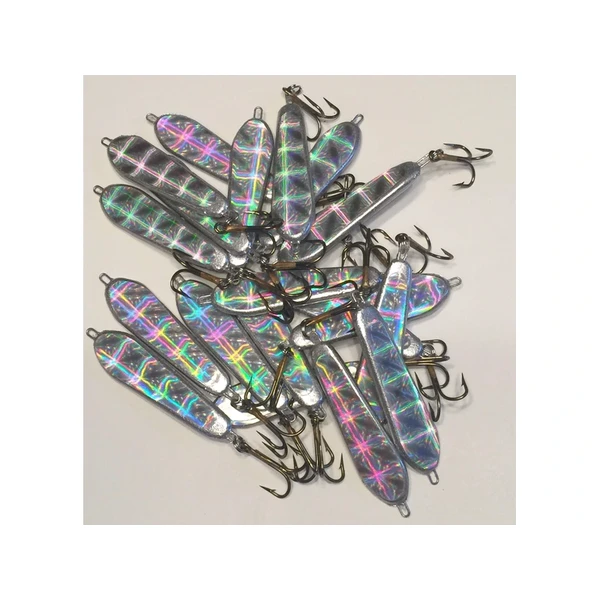
Slab spoons are compact metal lures that let you reach fish quickly and repeat a presentation at a specific depth. They’re especially useful when electronics show a school within dropping distance.
Their flash and movement suggest an injured baitfish, but different slab shapes behave differently. A narrow slab, a flat-sided slab, and a shad-shaped slab won’t necessarily fall alike.
Keep the Slab With the School
If fish are near the bottom, lower the spoon until it touches, then lift it into the fish and begin working it. If they’re suspended, stop at their depth instead. Bottom contact is a reference point, not a requirement. Dropping through a school and jigging twenty feet below it wastes the presentation.
Begin with short lifts and a controlled fall. Watch for a tick, a jump in the line, or a spoon that stops sinking early. Keep enough contact to recognize a bite without holding the lure so tightly that it can’t move. Reel into the fish and bring the rod under load.
Try Reeling Away From Following Fish
When stripers follow the slab upward, try a steady or accelerating retrieve through the school. Make several reel turns, pause briefly, and repeat if the fish respond. Remember how far you have brought the lure up before dropping it back through the same group.
Carry a spread of weights such as 1/2, 3/4, 1, 1 1/2, and 2 ounces. Heavier slabs can improve control in wind and deeper water. Choose body size to match the forage, then use weight to manage the presentation. Two spoons with the same weight can have very different profiles.
Common mistake: Letting the boat drift away while continuing to jig the same length of line. A steep line angle can mean your spoon has left the fish. Reposition, change weight, or make a deliberate cast instead of fishing blindly.
Flutter Spoons
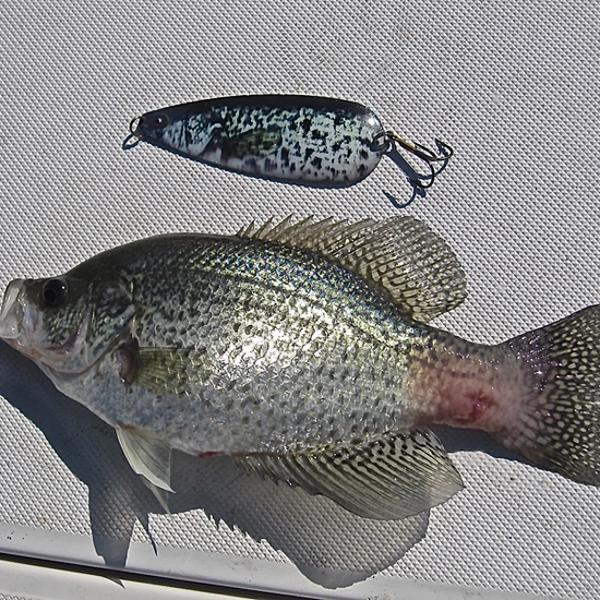
A flutter spoon has a broader body and a different fall from a compact slab. That fluttering, sliding movement is the reason to fish it. Smaller models can match modest-sized shad; large spoons make sense when stripers are feeding on larger forage or responding to an aggressive presentation.
Let the Spoon Fall Naturally
Cast beyond the target, let the spoon reach the feeding depth, and lift or reel it upward before allowing it to flutter back. Keep a slight bow in the line so the spoon can move freely.
Watch that bow: a sudden jump, tightening line, or an early stop can signal a strike. Too much slack hides the bite; a tight line can pull the spoon into a pendulum instead of letting it flutter.
Vary the height of the lift. Short hops may work around fish close to structure, while longer rises and falls can draw fish following bait in open water. For suspended stripers, work through the school rather than automatically returning to the bottom after every lift.
Match the Spoon to the Shad
Keep a smaller spoon around 4 to 5 inches alongside a larger option if those sizes match your local forage. A 7- to 9-inch spoon is a specialized tool, not an automatic upgrade. When stripers are picking off 3-inch threadfin shad, a smaller presentation is a better starting point.
Check the rod’s lure-weight rating before casting. Large flutter spoons place a different load on tackle than a small swimbait. Leave room behind you, make a controlled cast, and check that the hook hasn’t fouled the line before working the lure.
Common mistake: Snapping the rod so hard that the spoon tangles or never gets a clean fall. Let the lure’s shape supply the movement.
Topwater Plugs
Topwater fishing rewards anglers who are ready before the first splash. Keep a surface rod rigged while searching for shad, working birds, and feeding stripers. Low light and fall feeding activity can create opportunities, but surface action follows the bait and conditions rather than a calendar appointment.
Walking Baits, Poppers, and Pencil Poppers
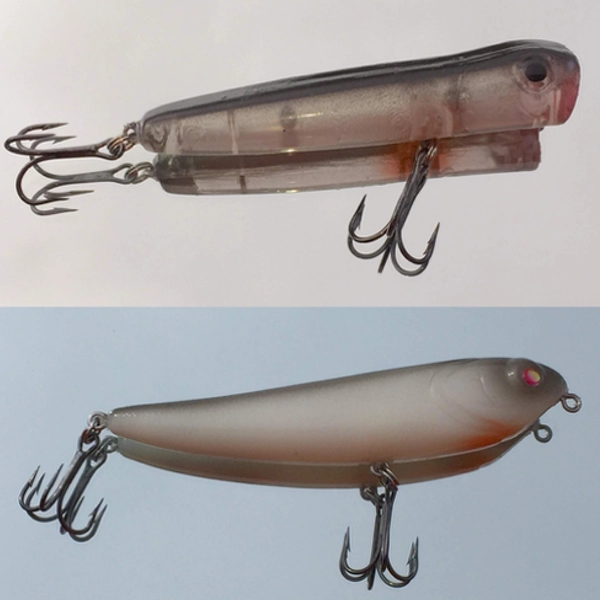
A walking bait moves from side to side when worked with rhythmic rod twitches and controlled slack. It is a surface lure, distinct from a subsurface glide bait.
A cup-faced popper pushes water and produces a sharper sound. A pencil popper gives you another long-casting surface profile; its action depends on the model and how you work it.
Choose the amount of disturbance the fish respond to. In calm water, a measured walk or a restrained pop can be enough. In a chop, a louder presentation may be easier for fish to locate. Don’t assume loud always beats subtle.
Cast Across the Feeding Edge
Put the lure beyond or alongside the activity and bring it through the outside of the school. Avoid running the boat straight into feeding fish. If the surface bite stops, have a swimbait ready to cover the water beneath the last boils.
When a fish blows up, keep your eyes on the lure and wait until you feel the fish load the rod before setting. Pulling at the splash can snatch the plug away from a fish that hasn’t closed on it.
If a striper misses, maintain the action or try a brief pause rather than immediately hauling the plug out.
Common mistake: Throwing the same oversized plug at every school. If stripers slap at it without connecting, try a smaller profile or a different cadence. Keep hook changes balanced so the plug still floats and works correctly.
Bucktail Jigs
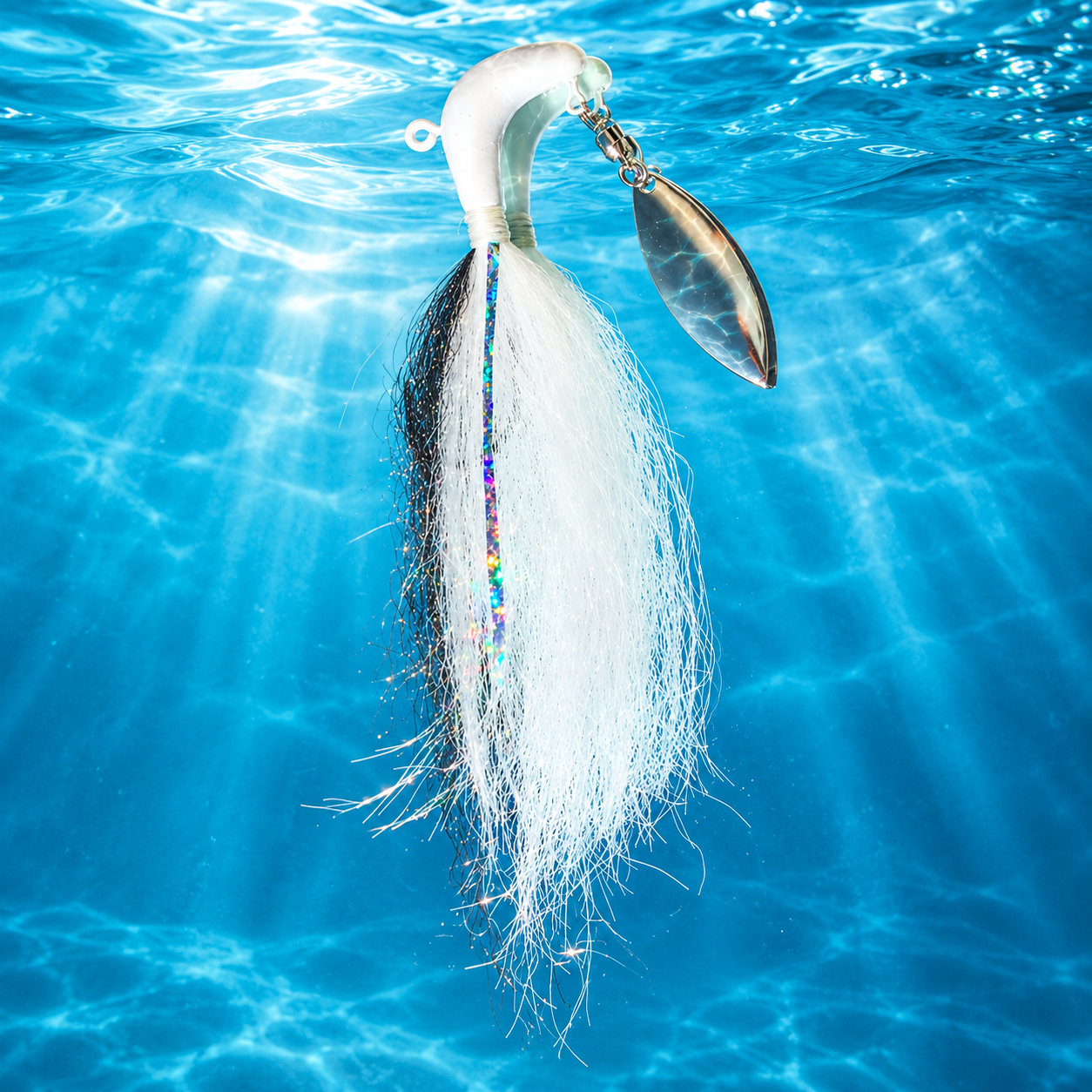
Bucktails give you a baitfish shape without relying on the thump of a paddle tail. They belong alongside soft plastics, especially when you want a slimmer profile or a different response to current and rod movement. White, chartreuse, and combinations with modest flash are practical starting colors.
Swim the Jig Through the Feeding Zone
Start with a steady swimming retrieve and let the hair move in the water. Add a small lift or pause if the fish need a change. Constant hard snapping is only one presentation, and it can move the jig out of the zone too quickly.
Carry lighter jigs for shallow presentations and heavier ones when depth, current, or drift makes control difficult. A range from 1/4 to 2 ounces offers options, but the useful weight is the one that maintains the required depth with the retrieve you’re using.
Add a Trailer With a Purpose
A slender soft jerkbait, grub, or other compatible trailer changes the profile and action. It can also slow the fall. Add one when you need that change, not because every bucktail must have a trailer.
Keep it straight, leave the hook gap clear, and test the combination beside the boat. Bucktails with an underspin blade offer another option when you want additional flash.
Common mistake: Making a compact jig too bulky. If fish are eating small shad, a heavily dressed bucktail with a large trailer can move you farther from the forage you’re trying to match.
Tail Spinners
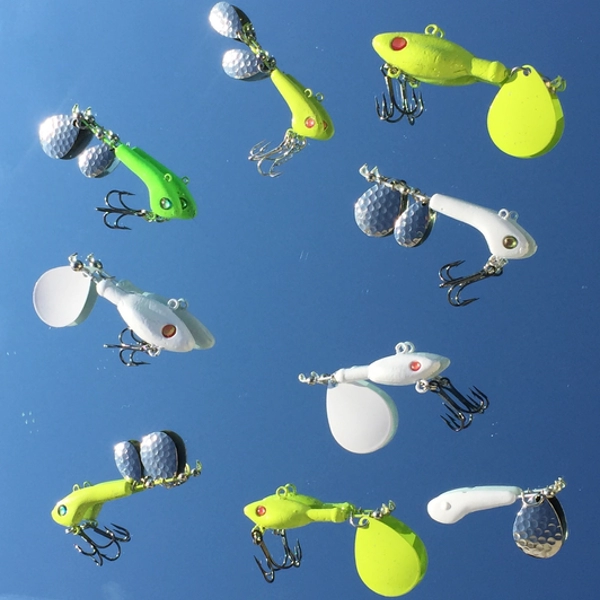
A tail spinner combines a weighted body with a blade behind it. It is different from an underspin, which carries its blade beneath the jig head.
Tail spinners offer a compact profile with flash and vibration, and they can be cast to schooling fish or worked deeper.
Use Blade Shape to Change the Presentation
A round Colorado-style blade generally creates more resistance and a stronger thump. A slender willow-style blade generally creates less drag. Blade size, body shape, and retrieve speed matter too, so test the finished lure rather than predicting its entire action from the blade alone.
Start with a steady retrieve at the fish’s depth. Then try a lift-and-fall presentation, watching the line as the lure sinks. Allow space above bottom clutter, because an exposed treble can find rocks or timber quickly.
Common mistake: Letting flash replace depth control. A tail spinner that looks excellent alongside the boat still has to reach the fish. If the blade is fouled by the hook or line, clear it before the next cast.
Crankbaits | Lipless Crankbaits | Jerkbaits
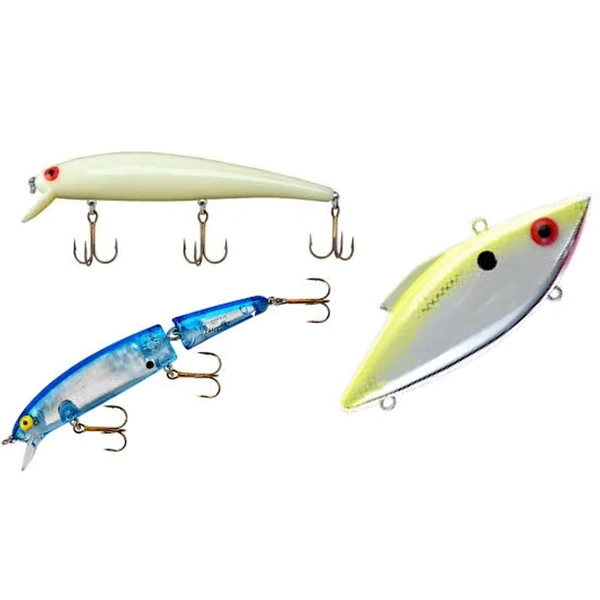
These hard baits cover different jobs. A billed crankbait dives as it is retrieved. A lipless crankbait sinks and can be counted down. A minnow-shaped jerkbait can float, suspend, or sink, depending on the model.
Know what your particular lure does before deciding how to fish it.
Use a Lipless Crankbait to Search
Cast across a point, flat, or the edge of surface activity. Count the lure down, then retrieve steadily or try a controlled lift-and-fall cadence. Adjust the weight and speed to keep it in the fish’s depth range.
A lure that catches shallow fish on a fast retrieve can run much deeper when allowed to sink first.
Keep some contact during the fall. If the lure suddenly stops dropping before it should, reel down and check for a fish. Repeatedly dropping an exposed treble into snaggy cover is a quick way to lose the lure.
Give Minnow Plugs Time to Work
Try a twitch-twitch-pause cadence with a compatible jerkbait, or a steady retrieve when fish want an uninterrupted swimming action. In cooler water, test longer pauses. Watch the line during the pause because a fish may take the lure without a hard strike.
Billed crankbaits can also cover water while trolling. Their running depth changes with the model, speed, line, and distance behind the boat. Start with the manufacturer’s depth information, then verify the presentation.
Add-on trolling weights or downriggers create a separate setup; a shallow-running plug doesn’t reach deep fish on its own.
Common mistake: Choosing a plug by appearance alone. The right profile running ten feet above the school is still the wrong presentation.
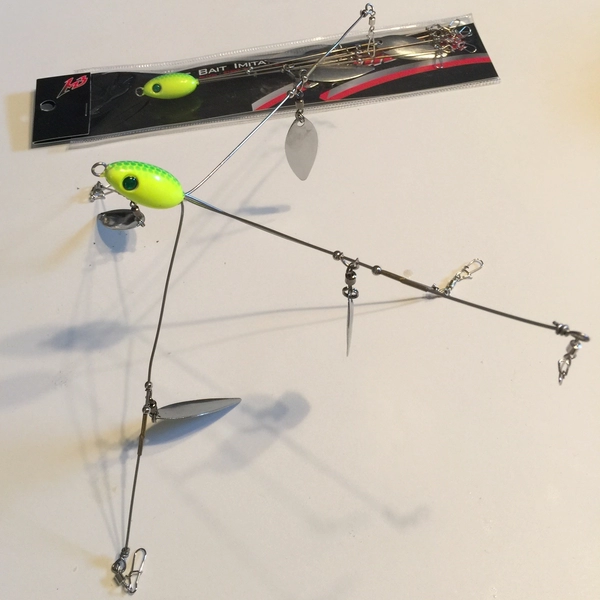
Alabama Rigs
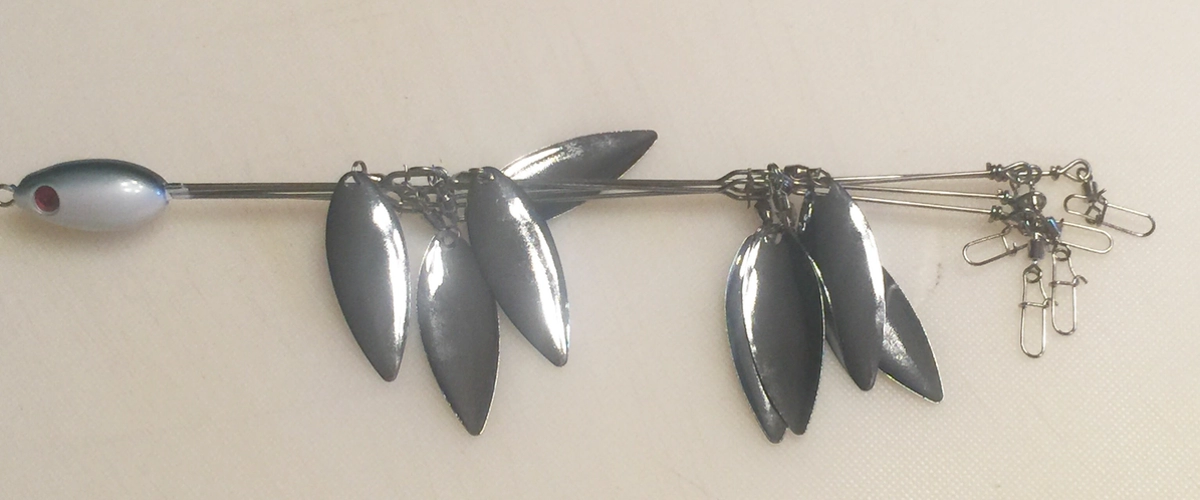
An Alabama rig presents several baitfish shapes together. Bladed versions add flash, creating the suggestion of a small group of shad. It gives you a way to show fish something different when a single swimbait isn’t drawing a response.
Count the Weight of the Complete Rig
The rig frame is only part of the load. Add the weight of every jig head, plastic, blade, and connector before selecting a rod. For example, five 1/4-ounce heads already total 1 1/4 ounces before the frame and plastics are added.
Stay within the rod’s lure rating and use a controlled casting motion.
Rig each plastic straight and spread the arms according to the manufacturer’s instructions. Start with a steady retrieve. Test the fully assembled rig beside the boat to check for fouling and see how much speed it needs to swim correctly.
It may run differently from the same jig head and plastic fished alone.
Consider a Single-Hooked Presentation
A compatible teaser or harness-style rig can provide flash around one hooked bait. That offers a different option from fishing several hooked swimbaits at once.
Confirm the applicable hook and rig rules for the water you are fishing, including any special area restrictions, before using a multi-hook setup.
Common mistake: Adding heavier heads to every arm without considering the finished weight. It changes casting load, fall rate, and how quickly the rig gets below the fish.
Size, Color, Depth, and Retrieve: Make the Next Change Count
Match the Hatch
Look at the shad being chased, the baitfish on the surface, and any forage a landed fish drops. Match length and body shape first.
Three-inch threadfin shad and large gizzard shad call for different starting profiles. Keep a smaller lure ready even when you’re targeting large stripers.
Let Fish Response Set the Speed
Warm-water feeding fish may chase a fast swimbait or a quickly rising spoon. Cold water often favors slower presentations. Treat that as a starting pattern, not a rule.
A brief burst of speed can trigger a following fish, while active summer fish can still respond to a slower fall.
When you change a retrieve, remember that speed also changes depth. Speeding up a swimbait commonly brings it higher. If the goal is a faster presentation at the same depth, you may need a different jig-head weight.
Use Color as a Starting Point
White, pearl, natural shad patterns, chartreuse, and silver give you a useful range. Natural profiles and flash are sensible options in clearer water; chartreuse can provide contrast in stained water.
Light, turbidity, and depth change what a finish looks like underwater. There is no color that wins every trip.
Glow finishes are worth testing when little light reaches the fish. Charge the lure before dropping it, then compare results with a non-glow presentation at the same depth. Glow won’t compensate for fishing outside the feeding zone.
Build a Practical Freshwater Striper Tackle Box
Start with a few lure families you can fish well. Carry replacement plastics, several jig-head and spoon weights, two or three topwater profiles, and a subtle soft-plastic option. Add specialized tools as the situations demand them.
Inspect hooks, split rings, snaps, and knots throughout the day. Hook color doesn’t prove strength, sharpness, or corrosion resistance. Choose components suited to the lure and fish, replace damaged hardware, and make sure a heavier replacement hook hasn’t spoiled the action.
Keep successful combinations together. Note the body size, head weight, depth, and retrieve that produced a bite. Repeating that presentation usually teaches you more than changing lures after every cast.
Deliver Lures in the Strike Zone of Feeding Stripers
The best lure in the box can’t catch fish that aren’t there. Search for baitfish and predators together, watch how the school responds, and move when the evidence says the fish have moved.
Birds can point you toward activity, but use your electronics and observations to check what is happening beneath them.
For an example of how these lure types apply to a major inland fishery, see the Texas Parks and Wildlife Lake Texoma fishing overview.
To learn lure presentations on the water, explore our Lake Texoma fishing guides or Lake Tawakoni fishing guides. Tell the guide which artificial-lure techniques you want to practice before booking.
Freshwater Striper Fishing Lures: Frequently Asked Questions
What should I change when I can see stripers but can’t get a bite?
First confirm that your lure is reaching the fish and swimming correctly. Then change one variable: retrieve speed, lure size, fall, or profile.
Fish following a swimbait may react to a burst of speed; fish ignoring an active presentation may take a quieter bait held at their depth. If the school remains unresponsive, check another group rather than spending the whole trip on the same marks.
How do I know when my lure has reached suspended stripers?
Use a tested countdown for that particular lure, weight, and line, and watch your electronics when they can show the lure and fish.
Establishing bottom depth can help with a vertical presentation, but suspended stripers may be well above it. Boat drift and line angle change where the lure runs, so keep checking.
Should I put a swivel on every spoon?
Use the spoon maker’s recommended connection as your starting point. A suitable swivel can help manage line twist on a spoon that rotates, but extra hardware can affect a small lure’s fall.
Check split rings and connection strength, then test the spoon’s movement before fishing it.
Why does my swimbait roll instead of swimming straight?
A crooked body, mismatched hook, damaged tail, or excessive speed can cause rolling. Rerig the plastic straight, check that the hook exits on the centerline, and test it beside the boat.
If it still rolls, try a different head or body rather than assuming the fish will ignore the problem.
Can I use a weedless swimbait around timber?
Yes. A compatible soft plastic on a weighted weedless hook can reduce snagging around cover. Select a body with room for the hook to clear during the strike.
Some thick, deep-bodied plastics fit poorly on a given hook. Test the rig and keep enough pressure to control a hooked fish before it reaches the timber.
Do larger freshwater striper fishing lures always catch larger fish?
No. Large stripers can feed heavily on small baitfish. A larger lure makes sense when it matches the forage or produces the response you want, but size alone doesn’t guarantee a larger fish.
Match the available food first, then experiment.